Birding Places - Common Birds of Jabalpur - Part 1
Jabalpur: Where Culture, Nature, and Vanishing Lakes Tell a Story
Jabalpur, located in the heart of central India, is a city where culture, history, and nature intersect in remarkable ways. Often called the gateway to India’s greatest forests, it sits at the crossroads of five major national parks—Kanha, Bandhavgarh, Pench, Panna, and Satpura. For wildlife lovers, conservationists, and travellers seeking the raw beauty of India’s wilderness, Jabalpur is not just a stopover; it is the starting point of countless adventures.
But beyond its strategic location, Jabalpur has always been a city shaped by water. Once known as the city of lakes, it boasted more than 150 lakes and ponds—urban wetlands that supported biodiversity, moderated the climate, and gave the city its unique charm. These water bodies were not just scenic spots; they were living ecosystems that sustained birds, fish, plants, and the communities around them.
Today, only about 30 of those lakes survive.
The disappearance of over a hundred lakes is a painful reminder of how quickly natural heritage can be erased. Illegal land‑grabbing, encroachment, short‑sighted commercial approvals, and the careless actions of citizens have collectively taken a heavy toll. Lake after lake was quietly filled with garbage and debris, making way for colonies, shops, and concrete complexes. What should have been protected as ecological assets were instead treated as vacant land waiting to be claimed.
One such tragic example is Marhataal (मढ़ाताल). Once a thriving lake, it has now vanished entirely—replaced by a commercial complex. As a student at Khalsa School, which stands beside the former lake, I witnessed the slow, deliberate destruction of this water body. Trucks arrived with debris, government bodies looked the other way, and the lake that had existed for generations disappeared under layers of waste. Watching a lake die is not just witnessing environmental damage; it is witnessing the loss of memory, identity, and community.
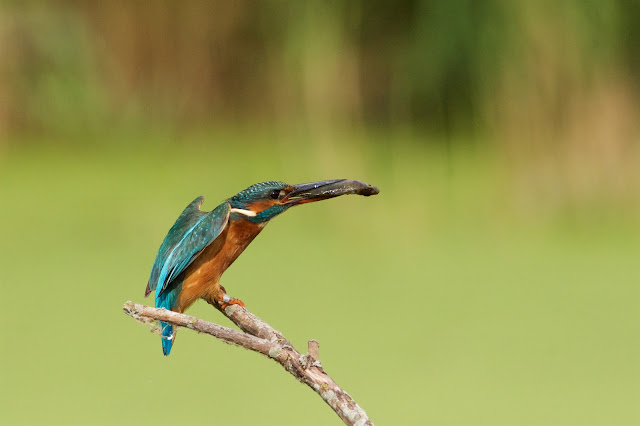
Yet, despite this loss, Jabalpur continues to be a haven for birdlife. Its remaining lakes, forest patches, and green corridors still attract a stunning variety of species, making the city a rewarding destination for birdwatchers.
Common Birds of Jabalpur – Part 1
- Indian paradise flycatcher (Terpsiphone paradisi) दूधराज, सुल्ताना बुलबुल
- Little Cormorant (Microcarbo niger) छोटा पनकौवा
- Oriental Magpie-Robin (Copsychus saularis) दहियर, काली सुई चिड़िया)
- Coppersmith Barbet (Psilopogon haemacephalus) तम्बत, छोटा बसन्ता
- Indian Grey Hornbill (Ocyceros birostris) धनचिड़ी, चलोत्रा, सेलगिल्ली, धनेश
- Black-hooded oriole (Oriolus xanthornus) टोपीदार पीलक, हल्दी पाखी, बनिया बहु
- Stork-billed Kingfisher (Pelargopsis capensis) बड़ा किल्किला, बादामी कौड़िल्ला
- Common Woodshrike (Tephrodornis pondicerianus) देसी लटोरा
- Common Tailorbird (Orthotomus sutorius) दर्ज़ी पिद्दा, दर्ज़िन
- Blue-tailed bee-eater (Merops philippinus) नीलदुम पतरिंगा, बड़ा पतरिंगा, नीलपुंछ पतरिंगा
- Indian Rose-ringed Parakeet (Psittacula krameri manillensis) तोता
- Greater Coucal (Centropus sinensis) महुक, कामादि कुक्कर, कूका, भरद्वाज
- Orange-headed Thrush (Geokichla citrina) मालागिर,श्वेत कंठ भू-कस्तूरी, संतरी कस्तूरी
- Grey-headed Canary-flycatcher (Culicicapa ceylonensis) ज़र्द फुत्कि, नारायण पक्षी
These birds, with their colours, calls, and seasonal rhythms, remind us of what Jabalpur still has—and what it stands to lose if its natural spaces are not protected.
Jabalpur’s story is one of beauty and warning. It is a city blessed with nature, yet burdened by neglect. Preserving its remaining lakes, restoring its wetlands, and celebrating its wildlife is not just an environmental duty; it is a cultural responsibility. The city’s future depends on whether we choose to protect what remains or allow more of it to slip away.
https://birds.rekabira.in/p/this-is-list-of-birds-i-clicked-since.html

.jpg)
.jpg)
Comments
Post a Comment